 DeepToSeek
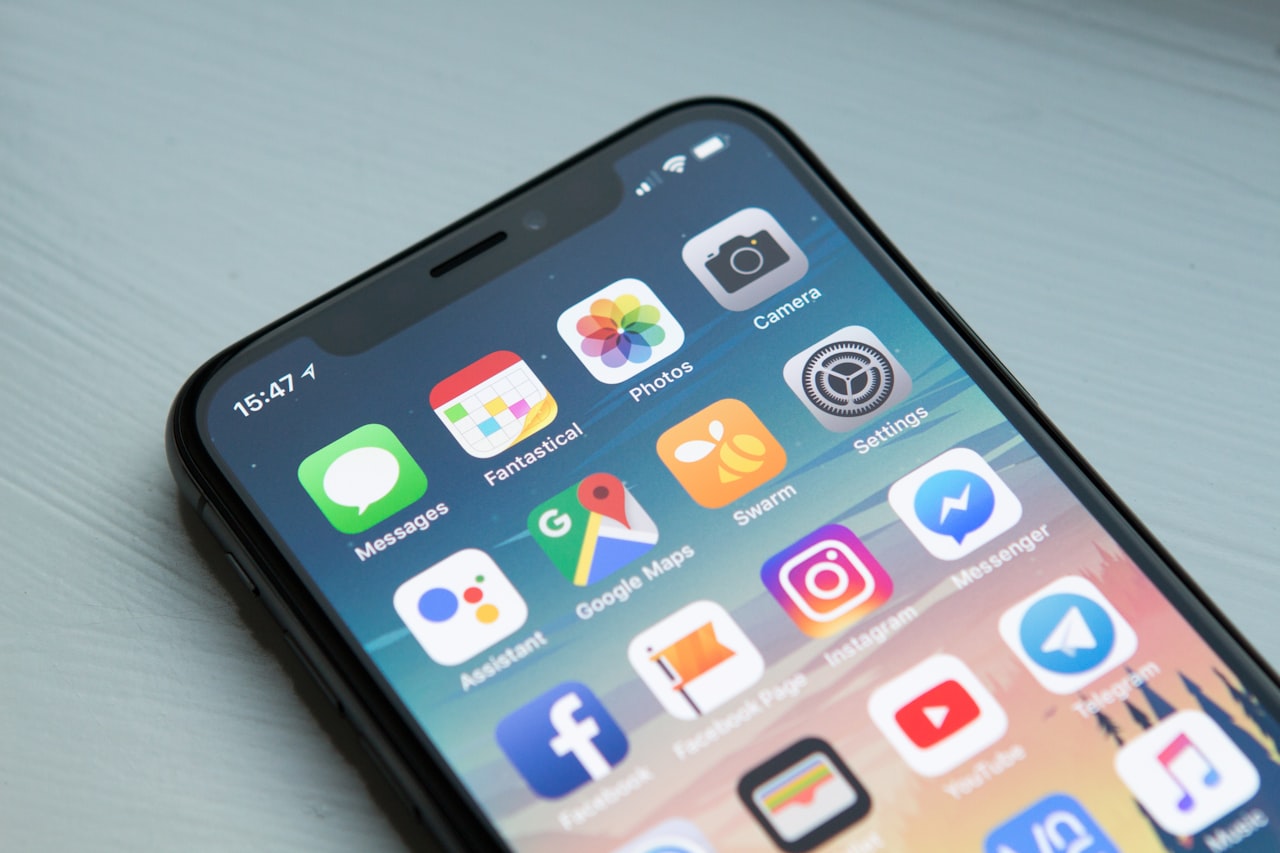
Meta brought Muse to the UK on November 24, opening the personal agent to users aged 18 and over. It ships as a standalone iOS and Android app, on muse.ai, and inside WhatsApp, which is the distribution detail that matters: in the UK, WhatsApp is where a large share of commerce conversations already happen, and Meta does not need a download to reach them.
Muse launched in the US on September 8 and went to the top of the App Store. The UK is its second market, and the first where the agent has to work with European-style consent expectations from day one.
What Muse actually does
The product is positioned as an agent that completes tasks rather than answers questions. In practice that means:
- Chasing refunds and returns, which requires reading email, finding the order and writing the complaint.
- Christmas shopping, including checkout through Link, Shopify's payment service, using stored credentials.
- Cross-app memory, so a recipe saved in Instagram can become a grocery list.
- Background execution, so a task continues after the app is closed.
Fourteen brands are integrated at launch. Meta says the agent cannot see passwords or card numbers, will not send an email or make a purchase without permission, and shows a log of everything it did.
The architecture behind the permissions
Muse runs inside a cloud VM called Muse Secure VM, with a separate supervisor system, Sentinel, reviewing every outbound action. Sensitive steps require user confirmation and leave an audit record. The model behind it is Muse Spark.
That design is the industry's emerging consensus, and it is worth understanding why. An agent that can buy things needs credentials, and any design that hands credentials to the model is one prompt injection away from a fraud story. Keeping the agent in a sandbox that holds a scoped token, with a supervisor checking intent against action, means a compromised model produces a blocked action rather than a charge.
It also means the agent is only as capable as the integration list. Fourteen brands is a deliberate limit: every additional integration is a new surface where the supervisor has to understand what "normal" looks like.
Why the UK, and why now
The UK has three properties that make it a good second market. English-language commerce is well covered by existing integrations. The regulatory environment is strict but legible, with an existing AI oversight framework rather than a pending one. And WhatsApp penetration is high enough that the agent can ride an app people already open forty times a day.
The timing is commercial rather than technical. Christmas shopping is the single highest-intent period of the year, and an agent that can be trusted with a gift list is the clearest possible demonstration. If Muse works in December, the case for a subscription writes itself. If it double-orders or misses a delivery window, the trust story collapses in public.
The trust problem is not technical
Meta's own announcement acknowledges that handing an agent control of your digital life is an act of trust. The company has a harder version of this problem than its competitors, because its core business is advertising and its users are conditioned to be suspicious of exactly this kind of expansion.
Two design choices are aimed at that. Muse only connects to apps the user explicitly allows, and it reports actions rather than quietly performing them. Both are good. Neither addresses the question users will actually ask: what happens when the agent is wrong and money has already moved?
What to watch
Three indicators will tell you whether this works. First, whether the integration list grows past fourteen, and in which categories — travel and utilities would signal real utility, more retail would signal an ads play. Second, whether Meta prices the subscription at a level that implies it expects daily use or occasional use. Third, whether any UK regulator asks for the audit logs, because that is when the supervisor design gets tested in public.
For anyone building in this space, the useful lesson is the permission model, not the product. Scoped tokens, a supervisor process, confirmation on irreversible actions and a human-readable action log are now table stakes for a consumer agent. Muse is the largest deployment of that pattern so far, and the UK is where it gets its first real audit.