DeepToSeek
The smart glasses category has been a decade of demos waiting for a real platform owner. It now has two: Google and Samsung, shipping together.
Samsung's first Android XR glasses with Gemini go on sale in mid-December in the US and Korea.
The defining decision: no display
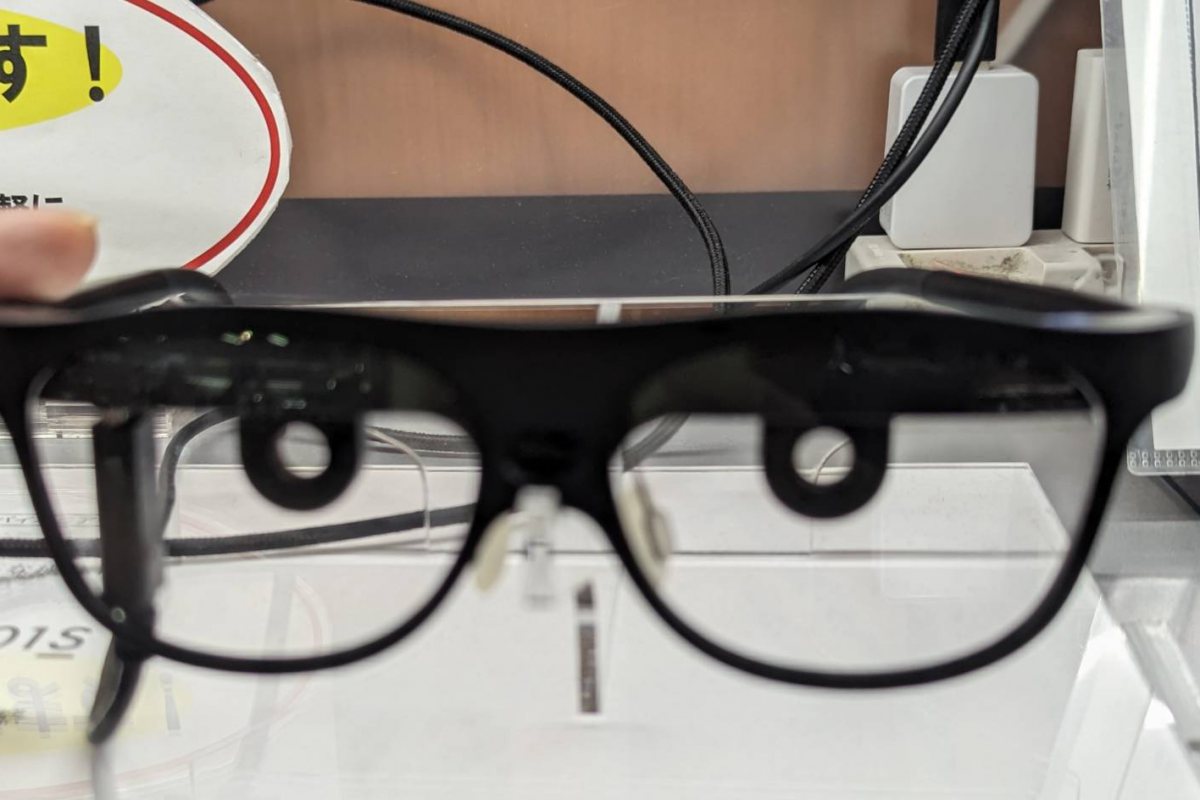
Samsung dropped the front optical engine and display module, opting for a lightweight, all-day wearable built around cameras and microphones. The frame geometry matches ordinary prescription glasses and sunglasses rather than aiming for sci-fi.
Two fashion partners handle frames: Gentle Monster for East Asian avant-garde silhouettes, Warby Parker for American classics. Four frames at launch. A display-equipped version is deferred to a later generation.
Hardware and software
Android XR underneath, Gemini multimodal models driving perception and interaction, Snapdragon AR1 Gen 1 for compute. Battery is rated at about 9 hours per charge — enough for a full day of intermittent wake-ups.
Capabilities: ambient question answering, visual understanding, live translation, voice navigation. Documents or whiteboard photos captured by the glasses flow into Samsung Notes on the phone, structured automatically.
The division of labor is explicit — the glasses see and hear, the phone and cloud do the heavy lifting.
Why drop the screen first
Three reasons, all practical.
Human factors. Squeezing an optical engine into a temple or frame wrecks weight, heat and battery. If it is uncomfortable, people will not wear it daily, and a device you do not wear daily cannot be an assistant.
Battery. Nine hours is realistic. Add a display and it roughly halves.
Usage. The highest-frequency jobs today are ask-one-question, capture-one-note, translate-one-sentence. None require a panel in front of your eye.
How this differs from Chinese vendors
Chinese players are running a different play. Rokid pushes display-equipped Glass 2 alongside a full-color Color model. MLVision's L5 uses a modular approach, letting users clip on an AR display module when needed.
Both routes answer the same question: get people to wear it daily first, or put a screen in front of them first. Samsung chose the former; the modular camp is hedging.
Should you wait
If you want capture, live translation and a voice assistant, this generation is close to sufficient — but wait for hands-on reviews. Watch three things: heat during continuous recording, translation latency, and temple pressure after two hours.
If you want an AR big screen for reading or video, this is not your product. Wait for the display model.
Meta and Ray-Ban proved the cam-era-plus-audio form factor can sell in volume. Samsung and Google entering means competition moves from hardware looks to ecosystem. Whether Android XR grows real applications is the actual dividing line for this category.
Samsung Gemini Smart Glasses Land in December: No Screen, Android XR